Ant Invasions in Spring: Prevention Tactics That Work
How homeowners in Clintonville, WI can stop spring ant problems before they turn into full-blown infestations
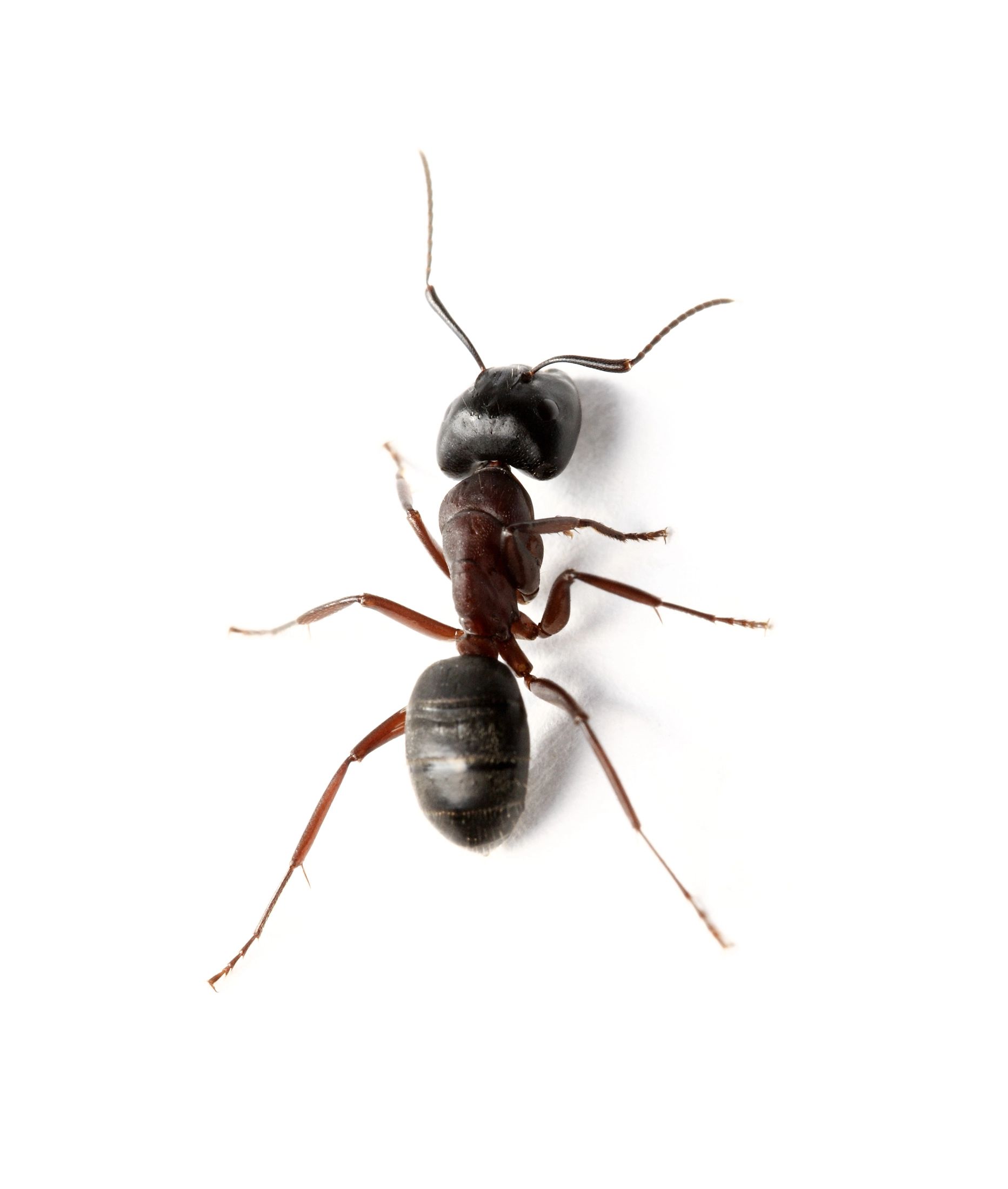
When spring arrives in Central Wisconsin, ant activity ramps up fast. As the ground thaws and moisture levels rise, ant colonies become more active and start sending workers out in search of food, water, and shelter. For homeowners, that usually means one thing: ants showing up in kitchens, bathrooms, basements, and along foundation walls.
A few ants may not seem like a big deal at first. That is the mistake. When ants start appearing indoors in spring, it usually means a larger colony is already active nearby. Wiping up the visible ants or spraying the trail rarely solves the real issue. If the colony still has access to your home, the invasion keeps coming back.
At BugBoss The X-Terminator, we help homeowners in Clintonville, WI and across Central Wisconsin identify the cause of spring ant problems and stop them with prevention strategies that actually work.
Why Ants Become a Major Problem in Spring
Spring creates perfect conditions for ant activity. Moisture from snowmelt and rain softens the soil, warmer temperatures increase movement, and food sources become easier to find. Ants that stayed hidden during colder months suddenly become much more visible.
Worker ants begin scouting for:
- Water from leaky pipes, damp wood, and condensation
- Food crumbs, grease, sweets, and pet food
- Shelter near foundations, wall voids, and hidden interior spaces
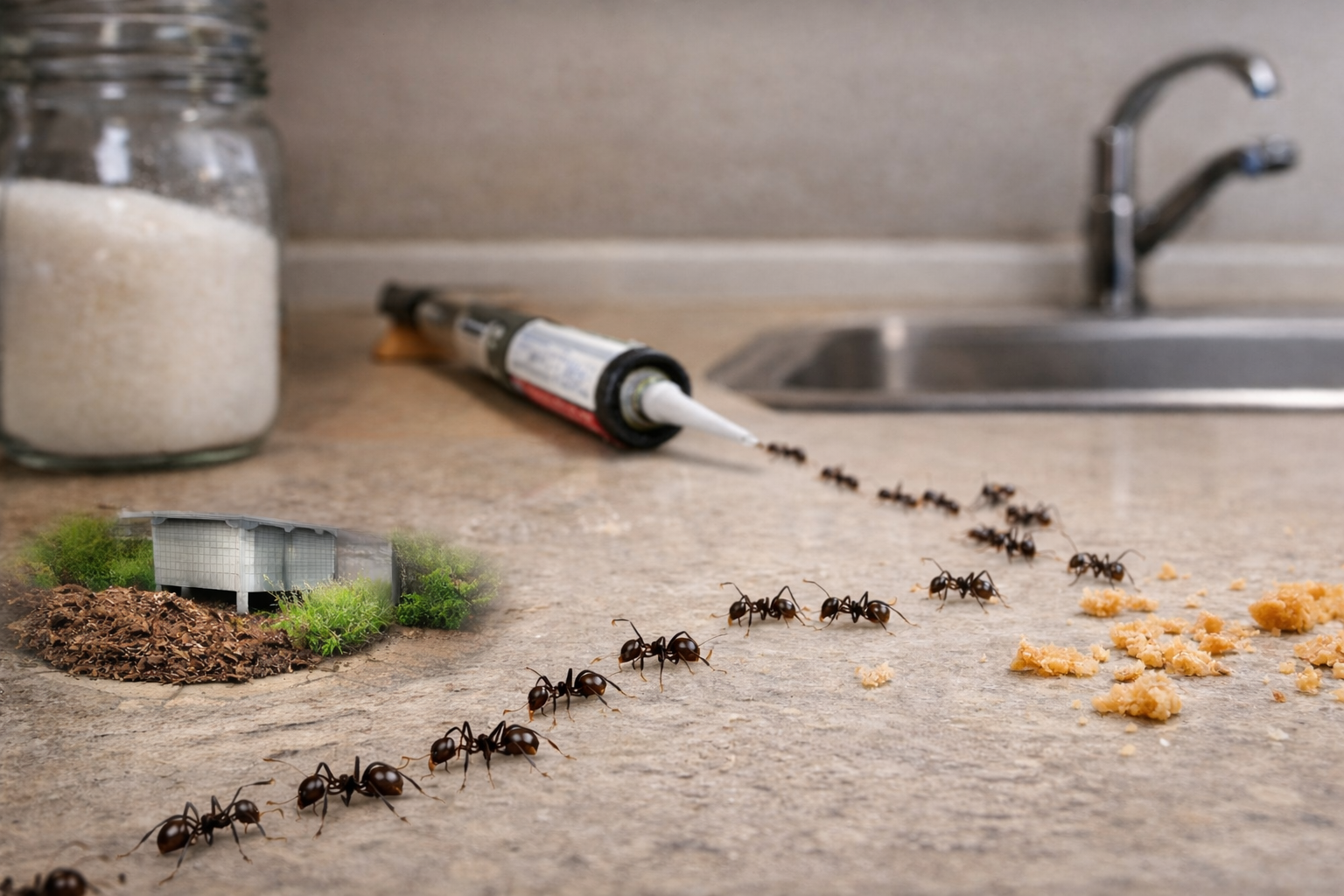
Once scout ants find a reliable source, they leave a scent trail for the rest of the colony to follow. That is why what starts as a small sighting can quickly turn into a steady stream of ants across countertops, floors, or windowsills.
Where Ants Commonly Show Up in Wisconsin Homes
In spring, ant infestations tend to appear in the same high-risk areas over and over again. Homeowners in Clintonville and surrounding areas often notice ants in places where moisture and food are easy to access.
The most common hot spots include:
- Kitchen counters and under sinks
- Bathrooms and laundry rooms
- Basement corners and foundation walls
- Window frames and door thresholds
- Around dishwashers, refrigerators, and garbage areas
If ants keep showing up in one part of the home, that pattern matters. It usually points to the reason they are there in the first place.
Why Store-Bought Ant Sprays Usually Fail
A lot of homeowners try to solve an ant problem with a quick spray. That feels productive, but most of the time it only kills the ants you can see. It does not eliminate the colony, stop the trail system, or fix the condition attracting them to your home.
In some cases, surface sprays can even make the problem harder to control because they scatter ants and cause colonies to shift location rather than die off.
That is why lasting ant control is built on prevention first, targeted treatment second.
Prevention Tactics That Actually Work
If you want to reduce the chance of an ant invasion this spring, you need to make your home harder to access and less attractive once they get close. These are the tactics that matter most.
1. Eliminate Moisture Problems
Ants are strongly attracted to water sources, especially in spring. Even homes that are kept clean can develop ant issues when moisture is present.
Focus on:
- Repairing leaking pipes and faucets
- Fixing damp areas under sinks
- Improving basement ventilation
- Redirecting water away from the foundation
- Repairing downspouts and drainage issues
Moisture control is one of the most overlooked ant prevention steps, and one of the most effective.
2. Seal Entry Points Around the Home
Ants do not need much space to get inside. Tiny cracks around windows, doors, siding, utility penetrations, and foundations are often enough.
Inspect and seal:
- Gaps around window frames
- Cracks in the foundation
- Openings where pipes or cables enter
- Worn weatherstripping around doors
- Small separations around trim and siding
Closing these entry points helps reduce access, especially when outdoor ant colonies become more active in spring.
3. Remove Easy Food Sources
Ants are efficient. If they find crumbs, sticky residue, garbage drips, or unsealed pantry items, they will keep returning.
To reduce attraction:
- Wipe down counters daily
- Sweep floors regularly
- Store dry goods in sealed containers
- Clean around pet bowls
- Take out trash consistently
- Clean spills immediately, especially sugary ones
A clean kitchen does not guarantee you will never see ants, but it makes your home a much less rewarding target.
4. Pay Attention to Mulch, Landscaping, and Foundation Areas
Many spring ant issues start outside before moving in. Landscaping that holds moisture or creates hidden access near the foundation can increase the odds of an infestation.
Watch for:
- Mulch piled too high against the house
- Tree branches and shrubs touching siding
- Soil or debris built up along the foundation
- Decaying wood near the structure
- Ant hills or visible activity near walkways and patios
Outdoor conditions matter. If ants are thriving right next to your home, interior activity often follows.
5. Address Ant Sightings Early
The earlier you respond, the easier the problem is to manage. Waiting until you see large numbers almost always means the colony has already become established.
Take repeat sightings seriously if you notice:
- Ants appearing in the same room every day
- Trails forming along baseboards or counters
- Ants near sinks, tubs, or plumbing
- Activity increasing after rainfall
- Ants returning after DIY treatment
Early intervention is far cheaper and easier than dealing with a fully developed infestation.
Common Mistakes Homeowners Make With Ant Problems
Most recurring ant infestations trace back to the same problems. Homeowners often treat symptoms instead of causes.
The biggest mistakes include:
- Spraying only the visible ants
- Ignoring moisture issues
- Leaving food sources accessible
- Overlooking exterior entry points
- Waiting too long to bring in professional help
That is the reason some homes deal with ants every spring. The conditions never changed, so the ants keep coming back.
Why Professional Ant Control Makes a Difference
Effective ant control is not just about killing ants. It is about understanding where they are coming from, why they chose your property, and how to break that cycle.
At BugBoss The X-Terminator, we look at the full picture:
- Where ants are entering
- What is attracting them
- Whether moisture is a factor
- What exterior conditions are contributing
- How to stop repeat activity
That approach leads to better long-term results than temporary DIY fixes. If ants are not your only concern this season, you may also benefit from reading about rodent activity in spring to strengthen your full spring pest prevention plan.
Signs It Is Time to Call a Professional
You should not wait for an infestation to get worse before taking action. Professional help makes sense when:
- Ants keep returning after treatment
- You are seeing trails in multiple rooms
- Activity is concentrated near walls or plumbing
- Outdoor ant activity is heavy around the foundation
- The problem keeps coming back each spring
That is usually a sign the source has not been addressed.
Protect Your Home From Spring Ant Invasions in Clintonville, WI
Spring ants are persistent, and once they find food or moisture inside your home, they do not leave on their own. The good news is that prevention tactics do work when they target the real causes. Sealing entry points, controlling moisture, removing food sources, and addressing outdoor risk areas can make a major difference.
If ants are already becoming a problem, BugBoss The X-Terminator can help you stop the invasion before it spreads. We provide pest control solutions for homeowners in Clintonville, WI and throughout Central Wisconsin, with practical treatment plans built around real results.
If you want to stay ahead of seasonal infestations, contact BugBoss The X-Terminator today.