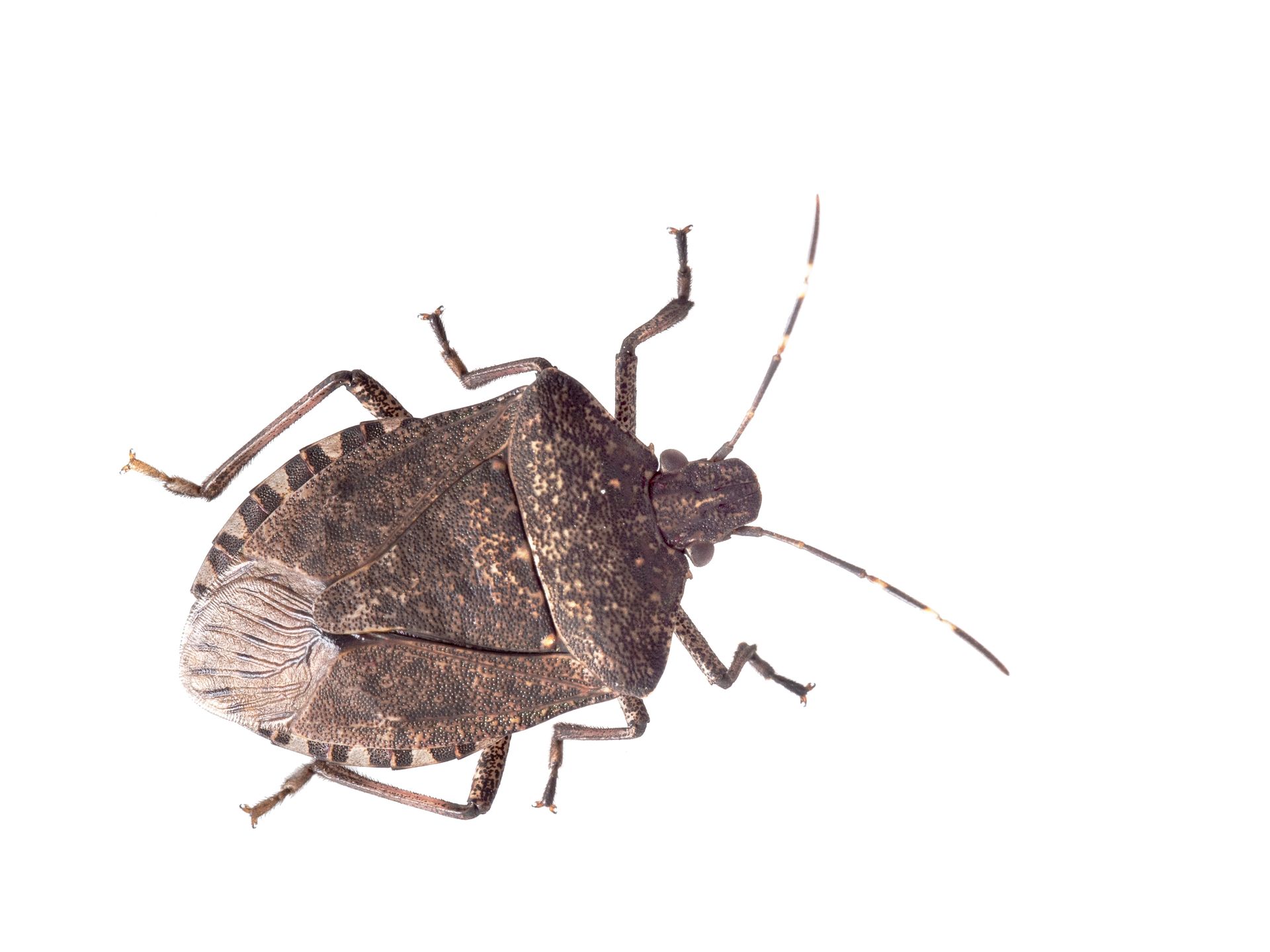
Beetle Lifecycle Breakdown: Stopping Infestations Before They Hatch
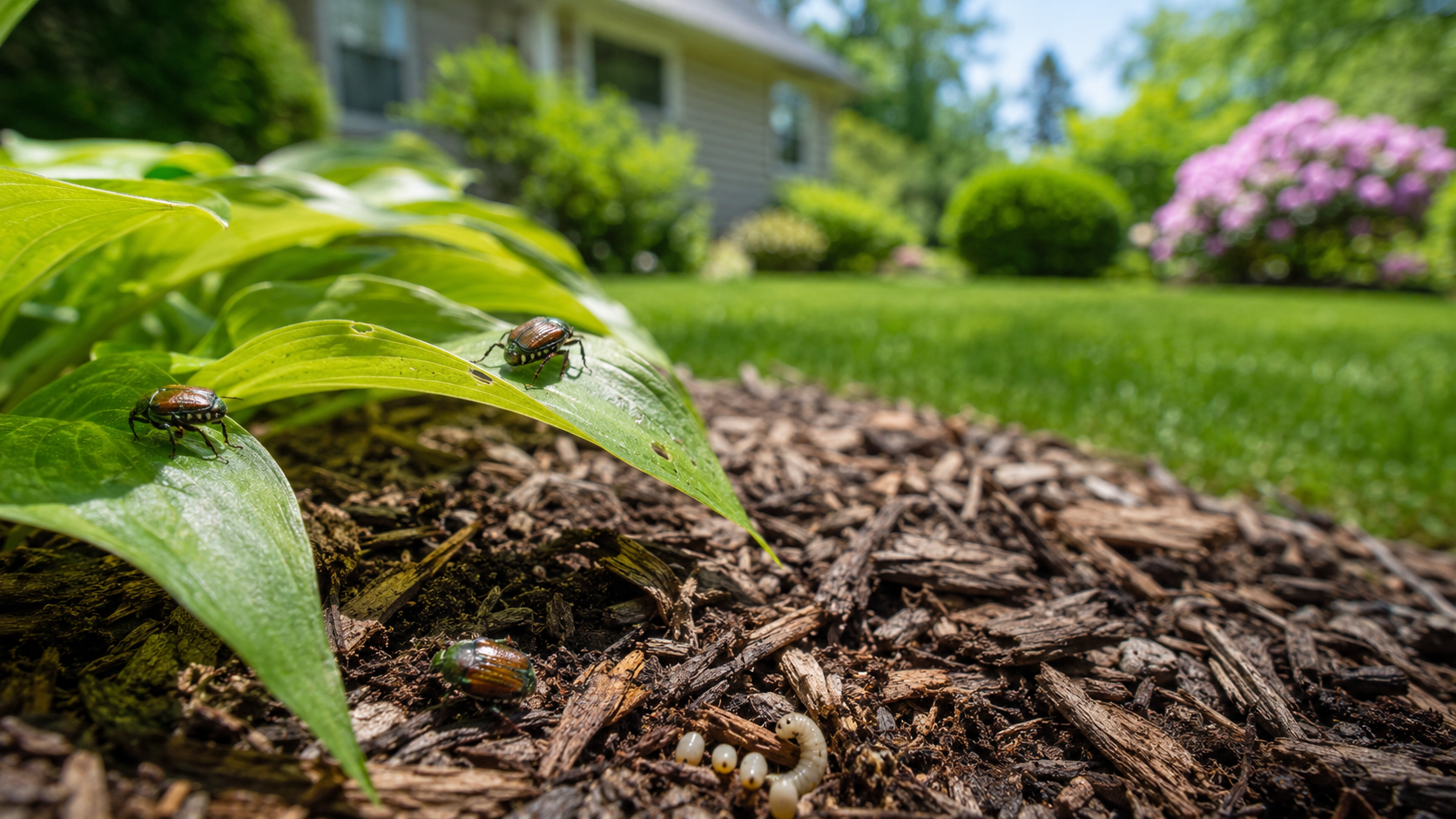
Why June is the right time for Clintonville, WI homeowners to get ahead of beetle problems before they turn into bigger infestations
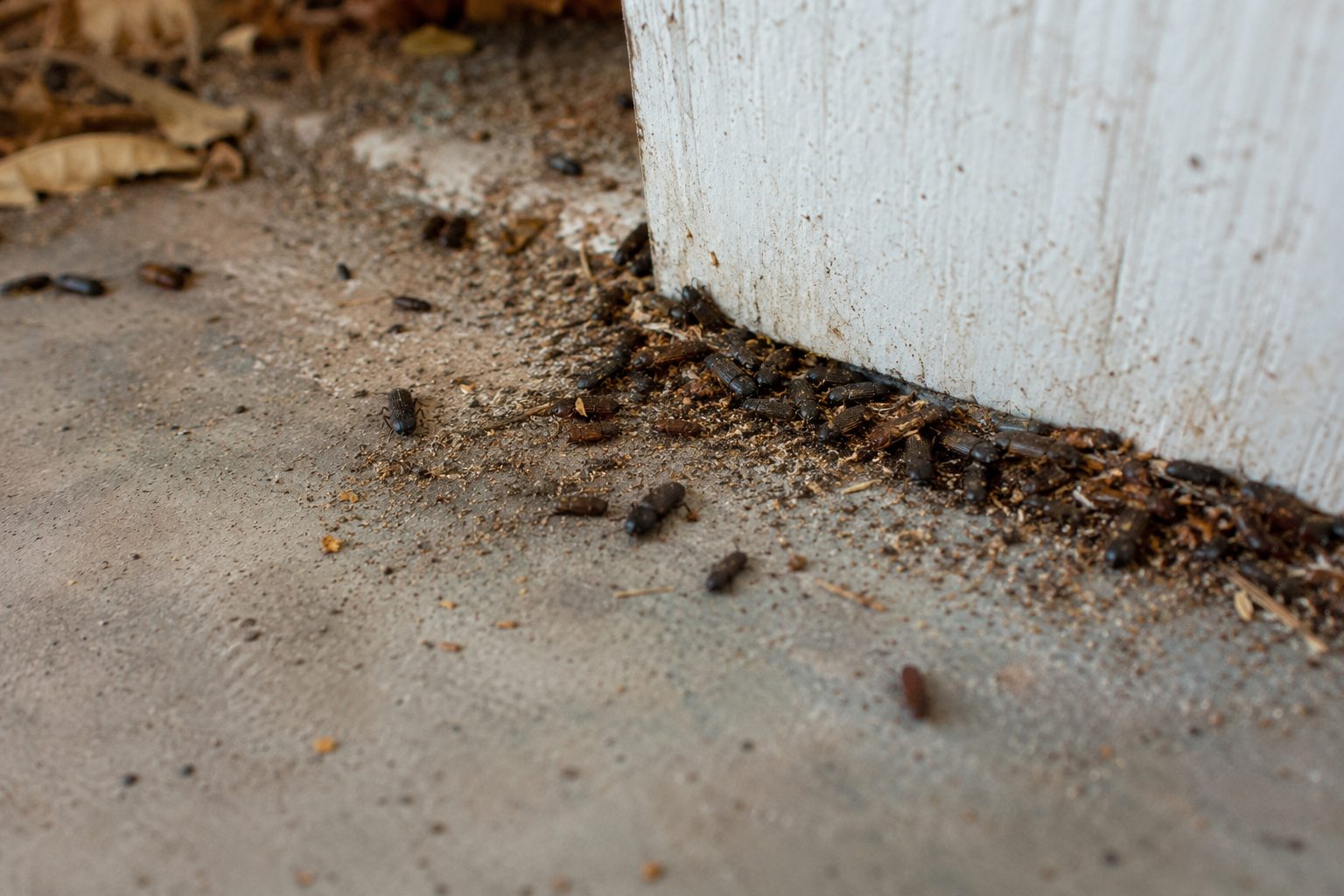
By the time most homeowners notice beetle activity around their property, the problem is already further along than they think. That is the issue with beetles. A lot of the damage starts before the insects are obvious. Eggs are laid out of sight, larvae develop in protected areas, and by the time adults emerge, the infestation is already established.
For homeowners in Clintonville, WI and across Central Wisconsin, June is one of the most important times to interrupt that cycle. Warmer weather speeds up insect activity, and this is when early prevention makes the biggest difference. If left alone, beetles can damage lawns, landscape plants, stored materials, and even structural wood depending on the species involved.
At BugBoss The X-Terminator, we help homeowners take a more proactive approach to seasonal pest activity. If you have already been dealing with spring pests around your property, it is worth reviewing our Top Pest & Wildlife Threats for Spring in Central Wisconsin so you can see how beetles fit into the broader seasonal pattern.
Why beetle infestations are easy to miss at first
Beetles do not usually begin with a dramatic warning sign. The lifecycle starts quietly. Adult beetles lay eggs in favorable environments, often in soil, mulch, wood, or hidden protected spaces. Once those eggs hatch, larvae begin feeding before many homeowners realize there is a problem.
That is why prevention matters more than reaction. If you wait until adult beetles are everywhere, the earlier stage has already happened.
June is the month when many Central Wisconsin properties should be watching closely. The conditions are right for continued development, and interrupting the lifecycle now is often more effective than trying to deal with a larger infestation later in summer.
Understanding the beetle lifecycle
While different beetle species behave differently, the general lifecycle follows the same pattern: egg, larva, pupa, and adult.
The egg stage is where the infestation begins. Eggs are often laid in areas that provide protection and food once hatching occurs. That could mean turf, mulch beds, damp organic material, stored items, or wood depending on the type of beetle.
The larval stage is often the most destructive. Many beetle larvae feed heavily before they mature. In some cases, that feeding happens below the surface, which is why damage can go unnoticed until it becomes more severe.
The pupal stage is the transition period before the beetle becomes an adult.
Then the adult stage begins, and that is when homeowners are most likely to actually notice activity. The problem is that by then, the infestation is already underway.
If homeowners in Clintonville understand one thing about beetles, it should be this: the earlier stage is where control becomes easier.
Why June matters for beetle prevention in Clintonville, WI
In Central Wisconsin, June is a critical month because it sits right in the window where seasonal pest activity is building. Homeowners are spending more time outside, lawn and landscape growth is accelerating, and beetle-related issues can start becoming more visible.
But this is also the best time to reduce the conditions that support development before large numbers emerge. That means paying attention to mulch beds, overwatered lawn areas, decaying organic matter, cluttered storage areas, damp wood, and any neglected outdoor zones where pests can develop undisturbed.
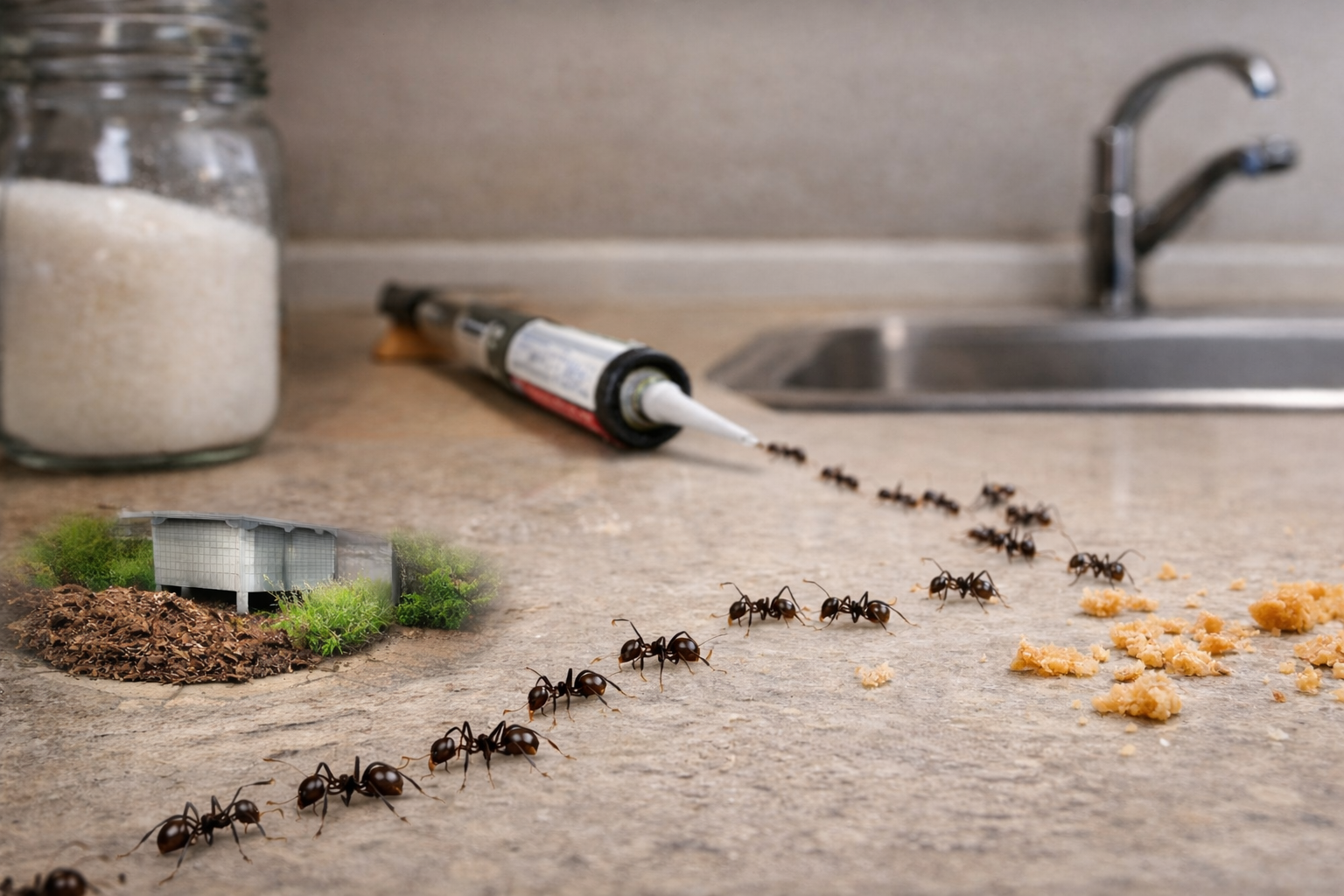
This same early-action mindset applies to other seasonal pests too. If your property has also seen spring ant activity, read Ant Invasions in Spring: Prevention Tactics That Work for another example of how stopping the source early leads to better results.
Common conditions that support beetle infestations
A beetle problem usually does not happen randomly. Certain property conditions make infestations more likely.
Excess moisture is a major factor. Damp environments support a wide range of insect activity and can make wood, soil, and organic material more attractive for breeding and feeding.
Heavy mulch buildup can also create a protected environment. When mulch is too thick or remains wet for long periods, it can become a favorable hiding and development area.
Decaying plant matter and neglected landscape debris are another issue. Beetles and other pests benefit when outdoor areas are not cleaned up regularly.
Stored materials can also become a problem, especially in garages, sheds, basements, and barns where pests can go undisturbed.
Wood-related vulnerabilities matter too. Depending on the species, untreated or moisture-damaged wood can become part of the beetle lifecycle.
If your home has multiple pest pressure points, our Pest Control Services page gives a broader view of how we help homeowners in Clintonville and surrounding areas protect their properties through each season.
Early warning signs homeowners should not ignore
One reason beetle infestations get worse is that the early signs are often dismissed. Homeowners may notice small changes and not connect them to an emerging pest issue.
Warning signs can include damage to leaves, turf decline, increased insect activity around windows or exterior surfaces, unusual holes in plant material or wood, small accumulations of insect debris, or recurring sightings in the same part of the property.
Even when the signs look minor, repeated activity matters. In pest control, patterns tell the truth. If the same issue keeps showing up, there is usually a reason.
How to stop infestations before they hatch
The best way to get ahead of beetles is to break the lifecycle before it advances. That starts with property conditions.
Reduce excess moisture wherever possible. Improve drainage, avoid overwatering, and address damp conditions around foundations, planting beds, sheds, and storage areas.
Keep mulch under control. Avoid overly thick layers and pay attention to areas that stay wet or shaded for long periods.
Clean up landscape debris. Leaves, dead plant material, and neglected yard waste create better hiding and breeding conditions than most homeowners realize.
Inspect wood and storage spaces. Garages, sheds, barns, and basements should not be ignored during summer pest season.
Pay attention to timing. June is not the month to wait and see. It is the month to act before the lifecycle moves further along.
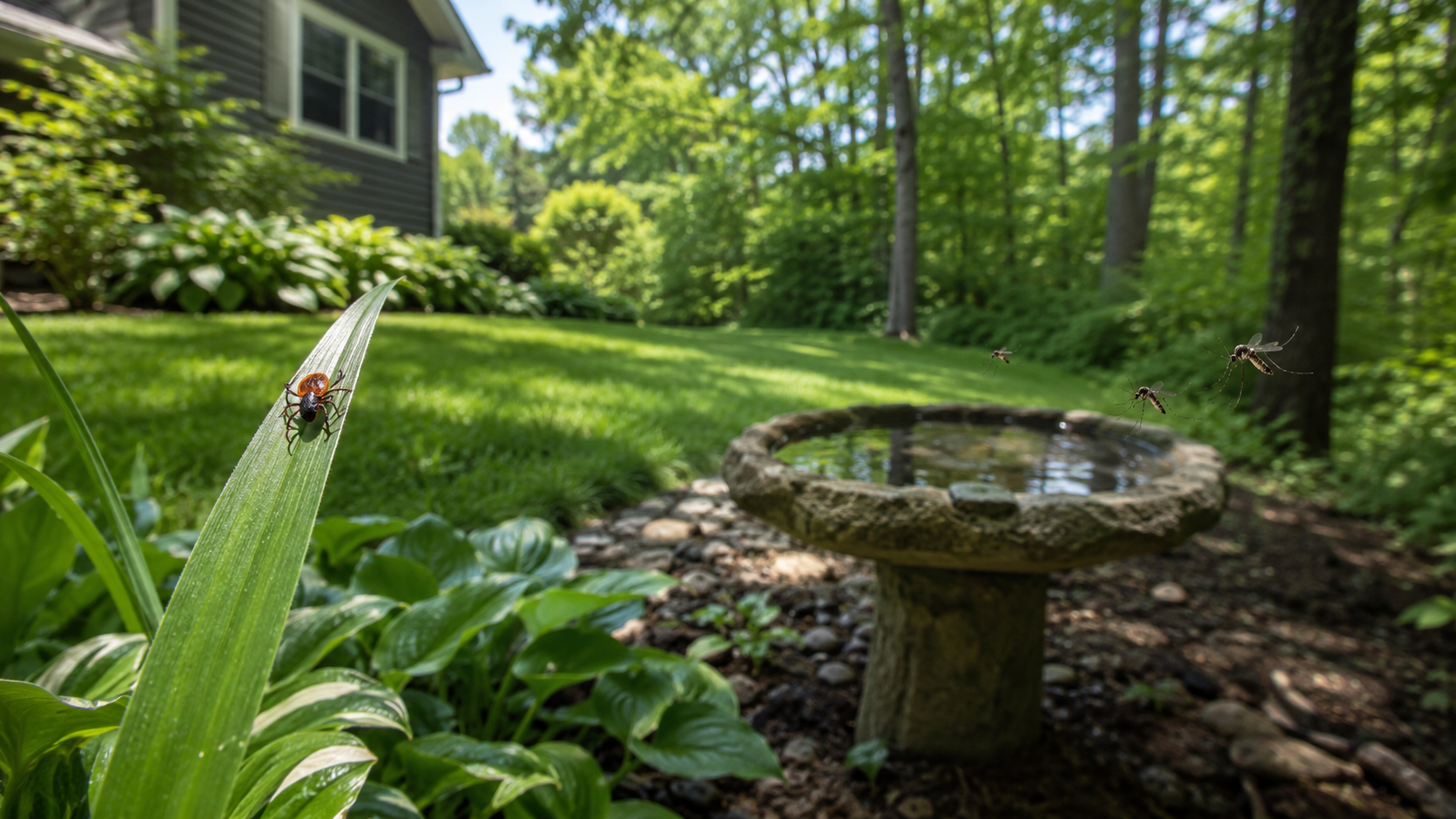
If your property has more than one issue building at the same time, our Mosquito Control Services and other seasonal service pages can help homeowners understand how different pest conditions overlap during the summer months.
Why DIY treatment often misses the real problem
A lot of DIY pest control only targets the stage homeowners can see. That is the weakness. If adults are treated but eggs or larvae remain protected, the cycle continues.
That is why professional pest control focuses on where the infestation begins, not just where it becomes visible. The goal is not to temporarily reduce insect sightings. The goal is to stop the progression that leads to repeat activity.
For local homeowners, that means looking beyond surface-level signs and treating beetle issues like the lifecycle problem they actually are.
Protecting your home and property in Central Wisconsin
Beetle prevention in Clintonville, WI is about timing, awareness, and follow-through. June gives homeowners a chance to reduce the conditions beetles rely on before the infestation becomes more obvious later in the season.
That matters for curb appeal, lawn health, outdoor comfort, stored materials, and long-term property protection. Waiting too long usually means more damage, more pest activity, and a more difficult correction.
If you are seeing signs of beetles or other seasonal pest issues around your property, BugBoss The X-Terminator can help you identify the source and take action before the problem grows. For a full overview of how we help local homeowners, visit Contact BugBoss The X-Terminator and schedule service.
When it comes to beetles, the best time to stop the infestation is before it hatches.